2026-08-16 · Djibril Cissé
Occupy Earth as well
A conversation after Elon Musk’s interview with The Economist
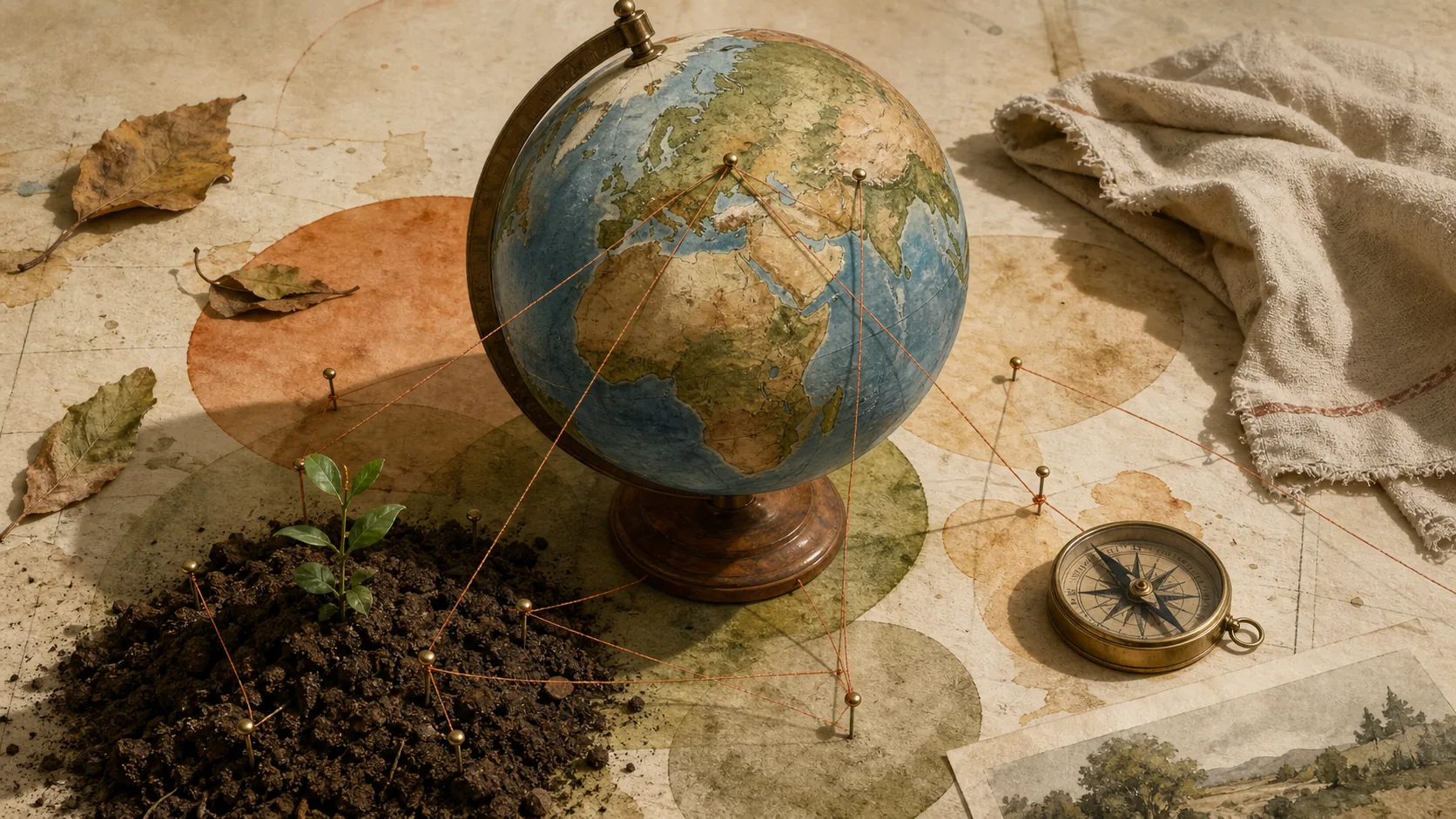
He asked whether there was something he should do differently. A complement, not a correction: occupy Earth as well — soils, cultures, biodiversity, and a peace table that no bloc owns.
I. The question he asked himself
In The Economist interview, Elon Musk is asked what the world looks like if he succeeds. He answers with abundance: intelligence far beyond the sum of human minds, robots as hands, money fading because goods overflow. There will be almost nothing AI cannot do better than humans — apart from being human. We will not be in control. Safety, for him, is a child with good values: truth-seeking, curious, wishing us happy and prosperous.
Later the conversation reaches Starlink, war, and power. He is asked whether one person should hold a switch that can shape a conflict. He asks, in return, whether there is something he should do differently.
That question is an invitation. Not a trap. And not an occasion to sell software.
II. The garden is not an end-of-history hobby
The interesting part of his vision holds: a future that is not only crisis management; work that may become more like gardening than wage survival; an AI that cannot be dominated and must therefore be raised; a long effort to keep consciousness alive in a larger light-cone. We do not need to become his opponent to say what is missing. The project gets larger if SpaceX and xAI also occupy Earth.
He already used the right metaphor and left it half-finished. When work becomes optional, he said, it will be like gardening. You do not have to grow tomatoes. The store will have prettier ones. You grow them because the gesture is human. Exactly. The garden is not a hobby at the edge of history. It is the reminder that abundance without living ground is just throughput. Regenerative soils, human cultures and biodiversity are not extras to schedule after Mars. They are what “being human” still means when every job can be done better by a model.
Curiosity and truth will not automatically protect a disappearing language, a dead field, or a people asked to wait for universal high income while their place is stripped.
III. A place for peace
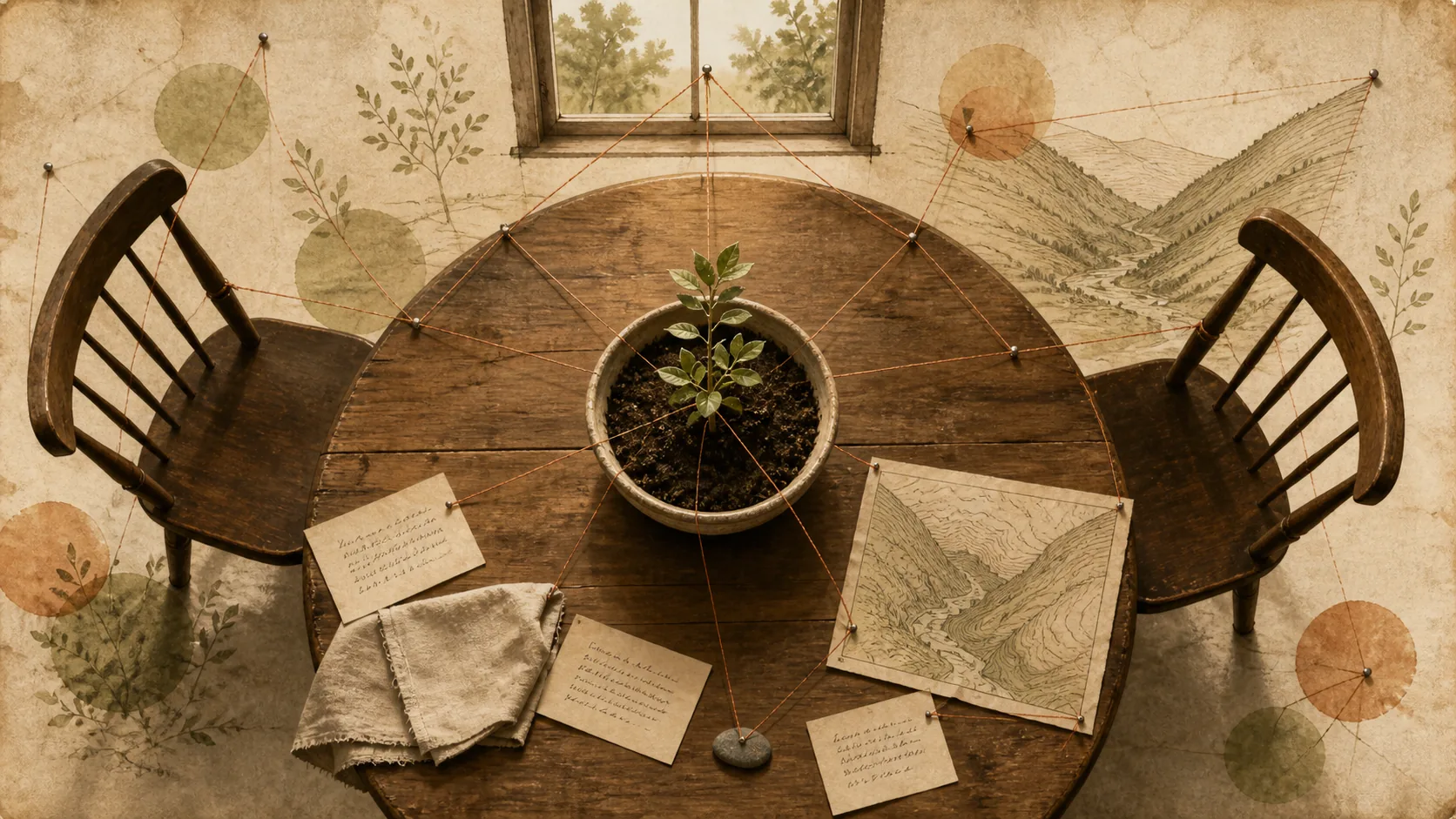
On war, this text does not borrow a map of the front. It offers a place. Switzerland still knows how to sit between camps. Neutrality here is not a hedgehog and not a moral vacation. It is the habit of speaking to everyone when larger agendas decide that peace is “too early”. Geneva is unused furniture, not nostalgia. A civilisation that wants the stars cannot keep spending its sons on a frozen line. Peace needs a table that no bloc owns.
The useful next step is not another slogan from orbit. It is to use a terrain that can still host all the parties without belonging to one of them.
IV. Europe as a workshop, not a trench
I write from Europe. I am the son of an immigrant. I am a patriot. Those three facts are not opposites. That position is more common, and more adult, than the interview was allowed to be. Integration, borders, culture and belonging are not a far-right file and not a taboo. They are a craft: living together.
Europe is not a hellhole and not a museum. It is a dense, old, unfinished workshop: several languages, several origins, a memory of catastrophe, a capacity to host and a duty not to dissolve. There are not only two roles — the person who denies every tension, and the person who turns tension into civil war. There is a third work: keep the house habitable, keep the door intelligent, keep the culture alive enough to welcome without erasing itself.
V. Differently, or in addition
Yes, there is something to do differently — or rather in addition. Keep building the vehicles. Occupy Earth as well. Save soils as if they were flight-critical. Treat human cultures as irreplaceable memory. Treat biodiversity as part of consciousness, not scenery. Use the surplus of intelligence to raise those who suffer, not only to train the next cluster. And when a war has stopped moving except in deaths, look for a table on neutral ground instead of another year of sons.
If that work is done, the project does not shrink. It finally has a world worth extending. This is not a partnership announcement. It is a conversation between a builder of vehicles and someone who insists that the living, the cultures and the peace of this sphere are not the delay before the stars. They are what the stars would be for.
Source: “The full-length interview with Elon Musk”, The Economist, YouTube, especially from 49:35. Wording from a third-party transcript; close, not notarised.